Historic Structures of
Whiting, Indiana
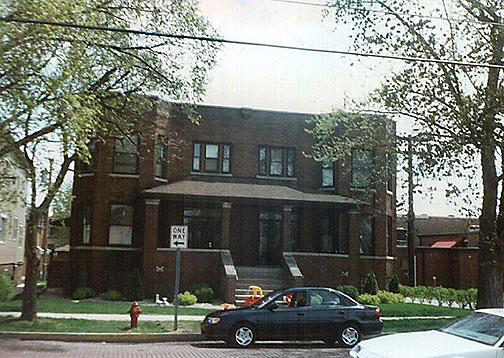
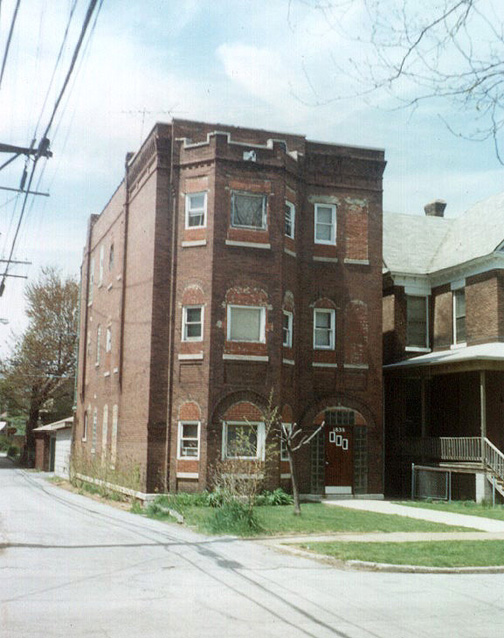
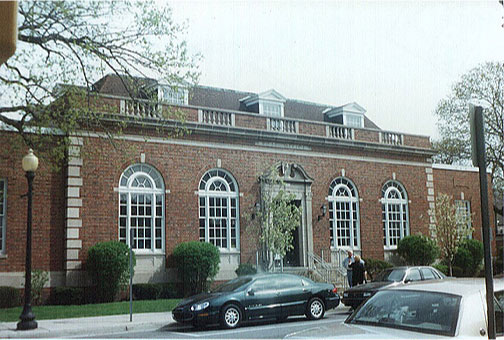
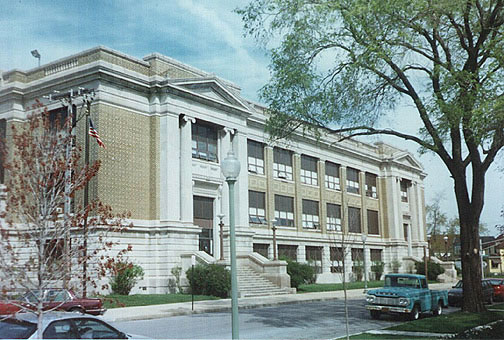
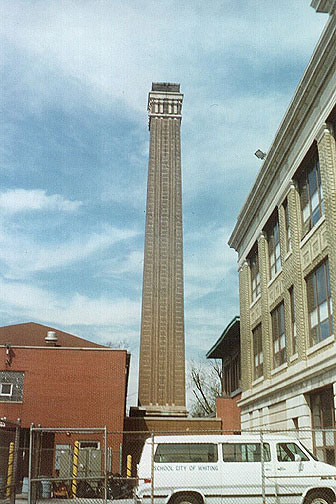
Apartments and Public Buildings
Whiting Indiana (pop. 5,155) is a city with good harbor
facilities on Lake Michigan just southeast of Chicago.
Because it is nestled
between the cities of East Chicago and Hammond and has areas of dense
development, this 1.3 square mile community gives the impression of
being bigger than it is. Whiting and the nearby cities of East Chicago,
Hammond, and Gary are part of the Calumet region, one of the nation's
most highly industrialized areas. Products manufactured in Whiting
include chemicals, metal products, and soap products. Whiting is the
home of Calumet College of Saint Joseph.
Whiting's "main
street" is 119th Street. The city is fortunate to have maintained a
viable downtown area throughout its history. As a result Whiting boasts
a large number of well-maintained and occupied historic structures and
119th Street maintains a unified and attractive appearance. Whiting is
the home of picturesque neighborhoods and block after block of
significant historic structures.
The city began its
growth around the railroad crossing that intersects 119th street and
connects Whiting to Chicago. But the real driving engine of Whiting's
development was the Standard Oil Co. refinery, which almost
single-handedly laid out the town. In 1889 that company began buying up
marsh and duneland for the construction of what would eventually become
the world's biggest refinery. Whiting became a town and 1903 and
experienced a period of dramatic growth during the 1920's.
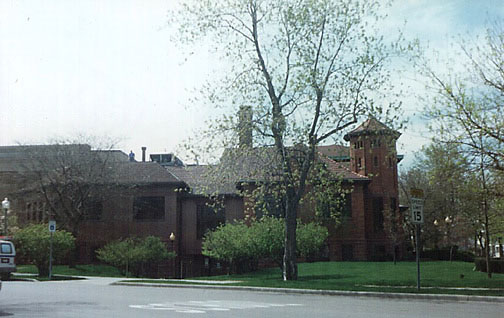
In 1905, Standard Oil
donated land and the Carnegie Foundation granted funds for a public library. The
outstanding Romanesque Revival building was completed that same year.
Whiting's
architectural assets are so great that it has received four pages on
this site. Surprisingly, Whiting has not adopted historic tax credits
or applied for recognition on the National Register of Historic Places,
something it should do to maintain the appeal of its historic areas for
the future.
All photos by Tim Arends
|