Historic Structures of
Indianapolis, Indiana
More Images
Indianapolis,
in the
central part of the state, is the capital of Indiana and seat of Marion
Co. In 1821 the community was named Indianapolis, and the U.S. engineer
Alexander Ralston who assisted the French architect Pierre L'Enfant in
planning Washington, D.C., was commissioned to lay out the community.
Incorporated as a
city 1847, and the largest city in Indiana, Indianapolis is a
commercial manufacturing, transportation, and cultural center situated
in the productive Corn Belt agricultural region.
Points of interest
include the home of President Benjamin Harrison; the home of the
Hoosier Poet James Whitcomb Riley; the State Capitol (completed 1888);
Union Station; the Soldiers and Sailors Monument (1902), in Monument
Circle, the heart of the city; Woodruff Place and Lockerbie Square
historic districts; Indiana World War Memorial Plaza, including the
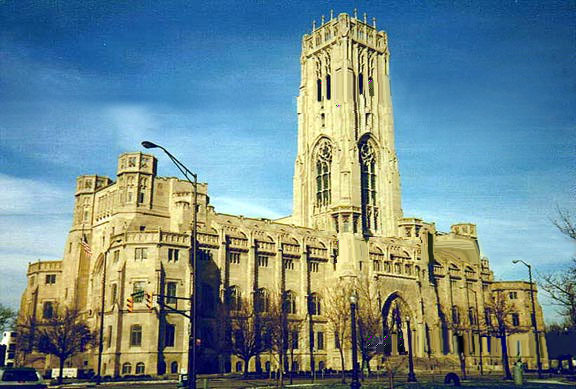
American Legion national headquarters building; and the Gothic-style
Scottish Rite Cathedral (1929)--see below.
Numerous cultural
institutions and museums are in Indianapolis. In addition, the city
supports modern dance and ballet companies, a symphony orchestra, an
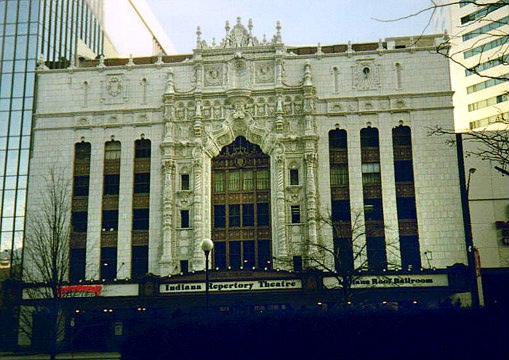
opera company, and several theater groups, including the Indiana
Repertory Theatre.
In the 1960s and '70s
major programs of urban redevelopment were undertaken by the city.
Indianapolis does not have the most progressive attitude toward
historic preservation in the state, but a growing awareness of the
city's architectural assets has resulted in a thriving preservationist
community.
|