Historic Structures of
Gary, Indiana
Downtown Area
Gary, Indiana (pop: 116,646), the newest major
city in America according to the Funk and Wagnall's New Encyclopedia
(1996 edition), was built on a sandy lakefront wilderness in three
years (beginning in 1901; incorporated in 1909) by the brand-new United
States Steel Company. Though the country's newest major city, Gary
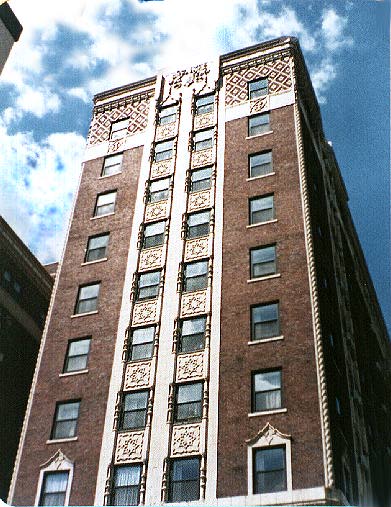
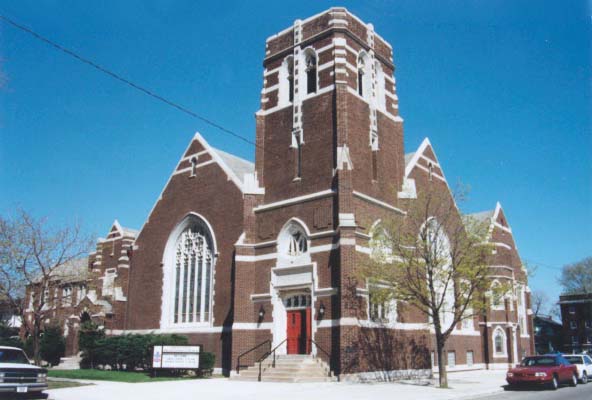
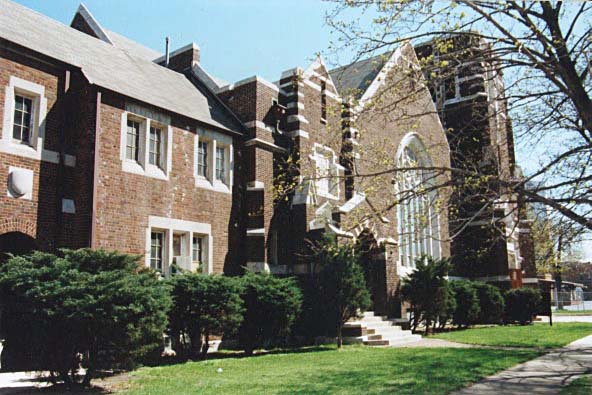
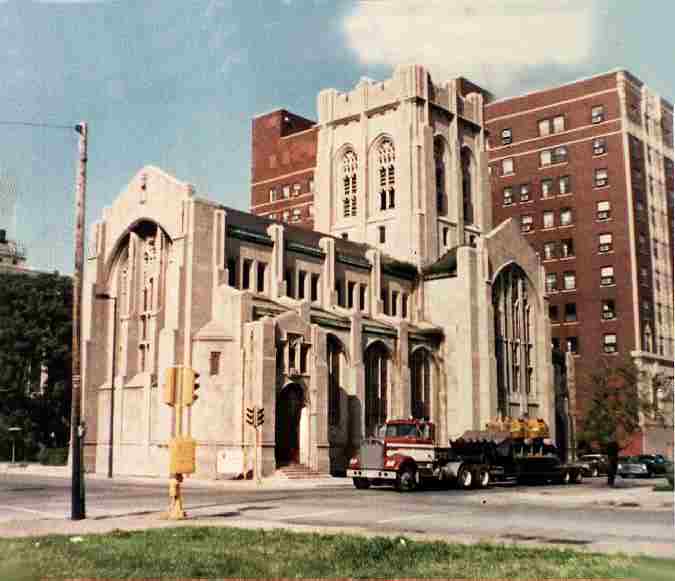
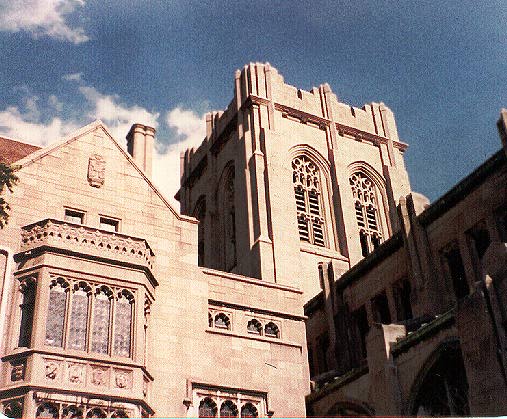
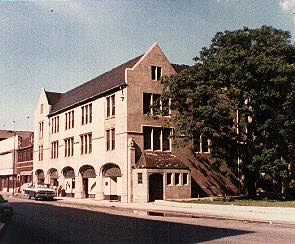
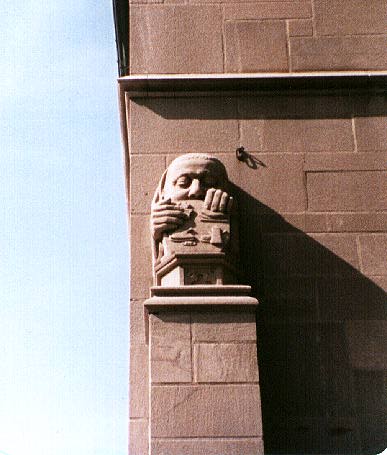
still boasts a large amount of (largely unappreciated) historic
architecture. Unfortunately, after decades of urban decay, Gary looks
anything but new.
Steel production at the mighty U.S. Steel Works on
the lakefront is clearly visible from the Toll Road. Gary is still one
of the largest steel producers in the world, but automation drastically
cut its employed base, resulting in a severe drop in Gary's median
income.
Carefully planned by Elbert H. Gary, founder of U.S. Steel, all major
streets of Gary lead to the mill entrance.
The Indiana Toll Road exit provides excellent
access to the downtown area, and a transportation center and South
Shore stop gives easy access by train. However, a 10,000 seat municipal
convention and sports complex with a 30,000 square foot main arena,
built in the early '80s near the exit, failed to revive the downtown
area.
The flourishing Indiana University Northwest
campus is in Gary, as is beautiful Marquette Park with its lakeshore
beaches and inland lagoons, where Father Marquette first landed in what
was to become Indiana. Gary also boasts the entrance to the most
beautiful of the beaches in the Indiana Dunes National Lakeshore, with
its Paul H. Douglas Visitors' Center and vast parking area.
Gary boasts architecture by such notables as
George Maher and Son, William Holabird, and Frank Lloyd Wright. Booming
casinos are bringing a new influx of cash to the city.
If Gary cares enough, it can still save some of its historic
architecture.
The question is, does it care at all?
|
 See
interior Pictures by Dan Orr
See
interior Pictures by Dan Orr